
If you’re searching for a reliable live deer cam, this hub pulls together our best streams in one place. From quiet Pennsylvania forests and Midwest feeding stations to European red deer and roaming elk, you can jump straight into whichever meadow, woodlot, or watering hole is active right now.
| Minnesota Deer Cam offline | Romania Deer & Badger Cams active Nov-Feb |
| Wisconsin Deer & Critter Cam active all year | PA Elk Cams active all year |
| West Texas Deer Cam active all year | Wyoming Elk Cam active late October-March |
| Pennsylvania Deer Cam active all year | Poland Deer Cam live late November-February |
| Red Deer Cam live late October-February | Czech Republic Deer & Critter Cams active all year |
| De Hoge Veluwe Wildlife Cam active all year | Finland Deer & Wildlife active Oct-May |
| Carolina Deer Cam active all-year | Arizona Wildlife Cam active all year |
| Ontario Live Webcam active all-year | Other Wildlife Cameras |
How to Use This Live Deer Cam Hub
Each link in the table below opens a different live stream. Some live deer cams run year-round, while others are seasonal and peak during fall rut or winter feeding. Check the “active” notes under each camera to see when you’re most likely to catch whitetail deer, elk, red deer, or other visitors on screen.
- Click a cam name (for example, the PA Deer Cam or MN Deer Cam) to open that camera’s dedicated page with more info and chat, if available.
- Use this page as your bookmarks hub – it’s the quickest way to see which live deer cameras are up and running right now.
- Explore beyond deer by visiting other SPO hubs like the Duluth Canal Cams, Homosassa Springs Manatee Cam, or the Rainforest Bird & Critter Cam.
Best Times to Watch a Live Deer Cam
Deer are crepuscular, which means they are most active around sunrise and sunset. If you want the best chance of seeing animals on any live deer cam listed here, try checking in:
- At dawn – deer often move from open feeding areas back toward cover.
- One to two hours before sunset – peak feeding time at food plots, feeders, and forest edges.
- On cold, snowy days – winter storms and low temps can bring more deer to supplemental feeding sites and sheltered valleys.
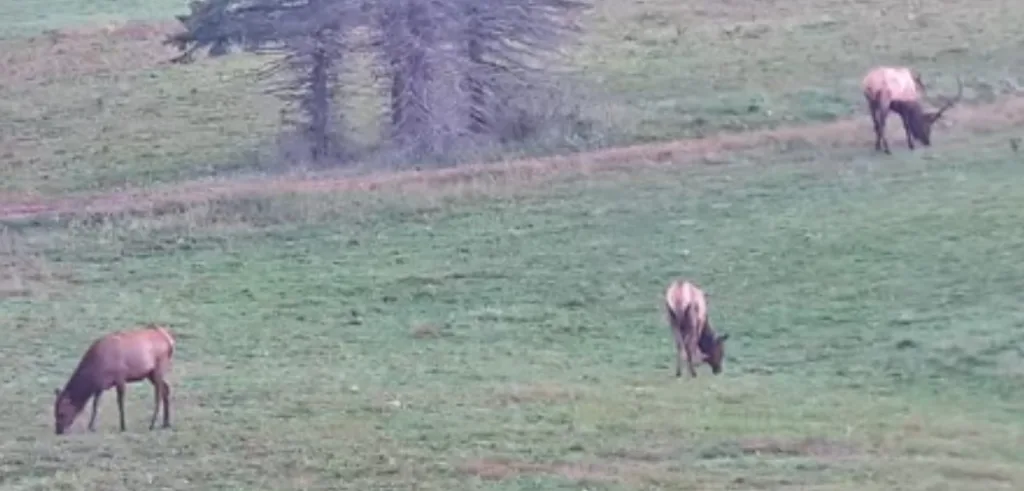
Elk cams, like the PA elk cam and Jackson Hole elk cams, are especially fun to watch in autumn during the rut. Listen for bugling bulls, watch for sparring behavior, and look for calves sticking close to the herd.
Featured Live Deer Cams by Region
This page is designed as a regional hub so you can quickly find a live deer cam wherever you’d like to watch. Some highlights from the table include:
- PA Deer Cam & Elk Cam – popular for whitetails year-round and spectacular elk viewing during fall in Benezette, PA.
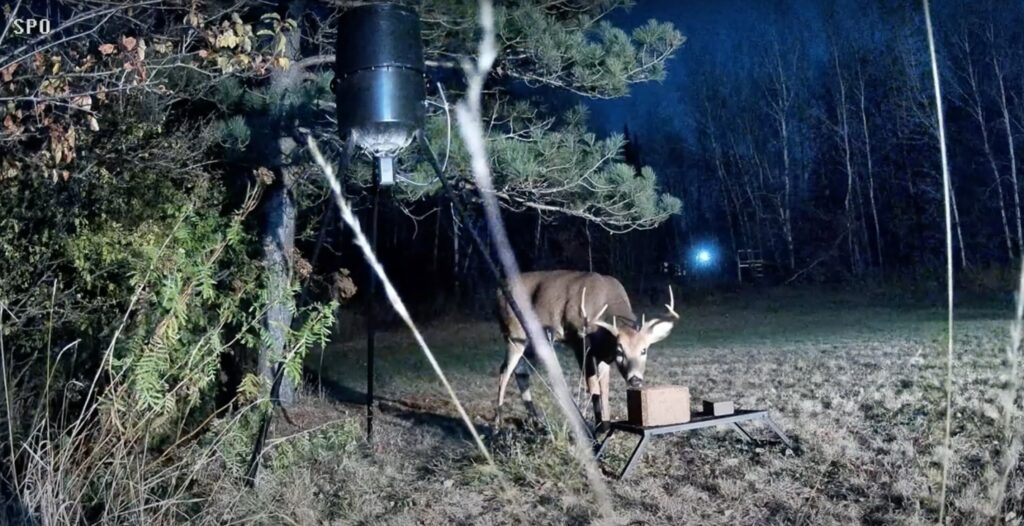
- MN Deer Cam – northern forest setting with whitetail deer, raccoons, and other critters visiting throughout the seasons.
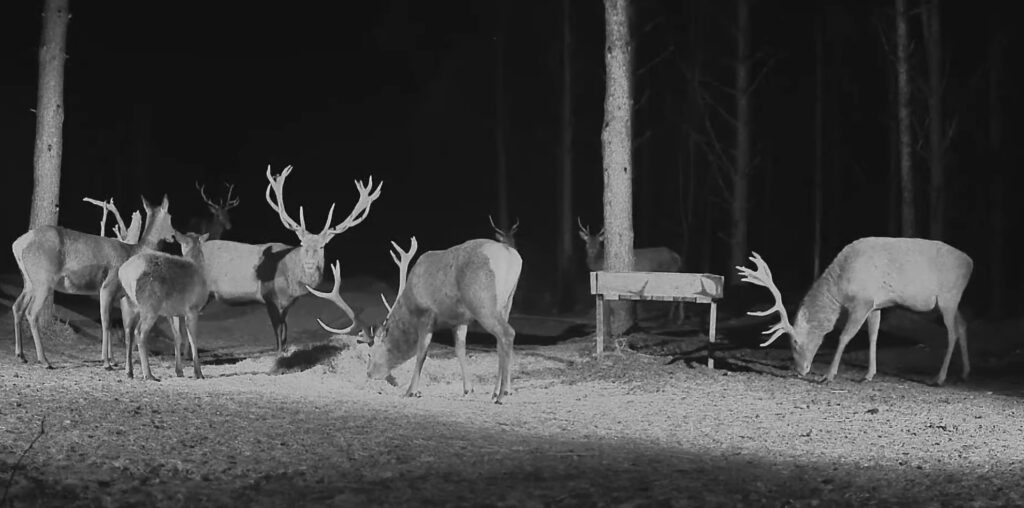
- International deer cams – red deer in Europe, Finnish forest cams, and wildlife streams from places like the Czech Republic and De Hoge Veluwe National Park.
- All-season wildlife cams – sites in Arizona, Ontario, and the Carolinas often show deer alongside wild turkeys, songbirds, and other visitors.
Scroll through the camera list, pick a location, and let the stream run in the background—perfect for nature lovers, classrooms, or anyone who just wants a peaceful forest window open on their screen.
Latest Posts:
- Gambel’s Quail Chicks Turn Arizona Water Tank Into a Tiny Desert AdventureA Gambel’s quail family gathers at a water tank in Arizona’s Chiricahua Mountains, where the chicks turn a simple drink stop into a lively little desert scene.
- A Raven Saw Something Moving Underwater, Then Did What Most Birds Wouldn’tShare: See more from us on Google × Send to your phone Scan this QR code with your phone. Creating QR code… A raven snatches a lizard breakfast in a remote Arizona water trough, turning a quiet desert morning into a sharp little lesson in intelligence, patience, and opportunity. On June 20, 2026, the raven…
- A Wobbly Little Fawn Found the Mineral Block and Couldn’t Stop Coming BackShare: See more from us on Google × Send to your phone Scan this QR code with your phone. Creating QR code… A wobbly little fawn made its first appearance of the season at the PA Deer Cam on June 8, 2026, and the moment quickly became one of those quiet wildlife scenes that feels…
- Three Silent Shadows Emerge at Dusk as Mountain Lions Circle an Arizona Wildlife CamAs dusk fell over Arizona’s Chiricahua Mountains on February 8, the wildlife live cam shifted from calm to captivating as three mountain lions emerged from the shadows, moving slowly and deliberately through the scene.
- Great Horned Owl Takes a Morning Bath | Arizona Wildlife Live CamShare: See more from us on Google × Send to your phone Scan this QR code with your phone. Creating QR code…
About Deer You’ll See on These Cams
Across this hub you may see whitetail deer, mule deer, red deer, roe deer, elk (wapiti), and even moose on some of the northern streams. They’re all members of the deer family and share a few key traits: long legs for quick escapes, keen hearing and smell, and seasonal coats that help them blend into their surroundings.
Most bucks or bulls grow antlers that are shed and regrown each year. Antlers are used for display and competition during the breeding season, and you may see antlers in velvet during summer or bare, polished antlers during the rut. Does and cows focus on raising fawns and calves, which start appearing on many of these live deer cameras in late spring and early summer.
What Deer Eat Around the Cams
Deer are herbivores that browse and graze on a mix of leaves, grasses, twigs, buds, acorns, and farm crops. On some streams you may see natural forage only; on others, especially winter-focused feeds, you’ll notice corn, pellets, or hay provided to help concentrate viewing and sometimes support local management efforts.
Newsletter Signup:
Please remember that feeding rules are different in every state or country. Wildlife agencies often set strict guidelines to reduce the spread of disease and keep deer from becoming dependent on people. If you’re inspired to help deer at home, it’s best to improve habitat—plant native shrubs, oaks, or food plots—and follow local regulations closely.
Live Deer Cam FAQ
When is the best time to watch a live deer cam?
Deer are most active around sunrise and sunset, so those are usually the best times to watch any live deer cam on this page. On cold or snowy days, mid-morning and late afternoon can also be very busy as deer move to food sources.
Why are some live deer cams seasonal?
Many live deer cams focus on migration, rut, or winter feeding, so they only stream during those peak seasons. Others are located at permanent feeding sites or clearings and can run all year long.
Are the deer on these cams fed by people?
Some cameras show natural habitat only, while others are at managed feeding stations operated under local regulations. Feeding rules differ by state or country and are often designed to reduce disease risk and discourage overcrowding.
Can I use these live deer cams in my classroom?
Yes, many teachers use a live deer cam as a virtual “window” into the forest for science, biology, and ecology lessons. Just be sure to follow your school’s technology policies and note that all animals are wild, so behavior can be unpredictable.
More Wildlife Cams to Explore
If you enjoy this live deer cam hub, you might also like:
- Southwest Florida Eagle Cam – follow M15, F23, and their eaglets through the nesting season.
- Duluth Canal Cams – watch Great Lakes freighters enter and leave the harbor under the Aerial Lift Bridge.
- Homosassa Springs Manatee Cam – see wintering manatees glide through crystal-clear Florida springs.
- Rainforest Bird & Critter Cam – colorful birds, small mammals, and surprise visitors from the tropics.
- Leavenworth Live Cams – mountain town views, river scenes, and seasonal holiday lights.
Bookmark this live deer cam page and check back often. New cameras are added over time, and seasonal cams switch on and off as deer and elk return to key feeding grounds.
About Deer
Over 60 different types of deer live all over the world. To begin with, the largest wild animal in North America is the North American moose, a species of deer. In fact, moose can grow up to 7½ feet tall and weigh over 1,800 pounds. On the other end of the scale, the smallest deer is the pudu of western South America. The pudu is only about one foot high and weighs an average of 20 pounds.
Some species, such as caribou and moose, have large, powerful bodies. However, regardless of size, all deer have long, thin legs, and some can jump from 15 to 20 feet. In addition, other deer can run at speeds of up to 40 miles per hour.
The head of a deer is narrow, and deer have a small nose and mouth. A deer also has large eyes positioned on the sides of its head, which helps it detect predators. Furthermore, a male deer is commonly called a buck, and in most species the male grows antlers from permanent knobby, bump-like bones on the skull. Each year, deer lose their antlers in winter and grow them back in spring. Typically, these antlers are used to fight for mates, establish dominance, or mark territory.
Food
Deer are herbivores and grazers. In general, their diet consists mainly of grass, leaves, bark, twigs, and tender sprouts of trees and other plants. Besides that, they will also eat moss, lichens, mushrooms, and other types of fungi. For example, deer such as the North American moose will spend hours in swamps eating the roots of aquatic plants.
Like cows, deer do not chew their food very thoroughly the first time. They have a stomach with four sections. One section is used to store poorly chewed food. Later on, the food is returned to the mouth and chewed a second time—this is called cud. The food is then swallowed again, and this time it moves to another part of the stomach where vitamins and nutrients can be absorbed.
Offspring
Deer usually find a secluded place to bear their young. The newborn fawn stays where it was born for about 10 days, until it can walk well enough to follow its mother. For instance, fawns of a white-tailed deer weigh from 3½ to 6 pounds at birth. By contrast, a newborn moose calf weighs about 25 to 35 pounds.
Most of the time, deer have only one or two young at a time. Depending on the species, hunting pressure, and other environmental factors, deer can live 10 to 20 years in the wild.
Habitat
Did you know that deer live all over the world? Remarkably, they can be found everywhere from hot deserts to areas near the Arctic Circle. They also live in more temperate places such as swamps, grasslands, and woodlands. Additionally, deer that live in the mountains often migrate to lower elevations in winter where temperatures are warmer and food is easier to find.
Deer have a home range area, which can vary widely. For example, some deer, such as caribou, travel about 1,000 miles each year during their seasonal migrations.
To learn even more about the different types of deer you might see on our live deer cams, you can also visit the Wiki page for deer.